Wind-Proof Tent Picks and Where to Pitch ’Em
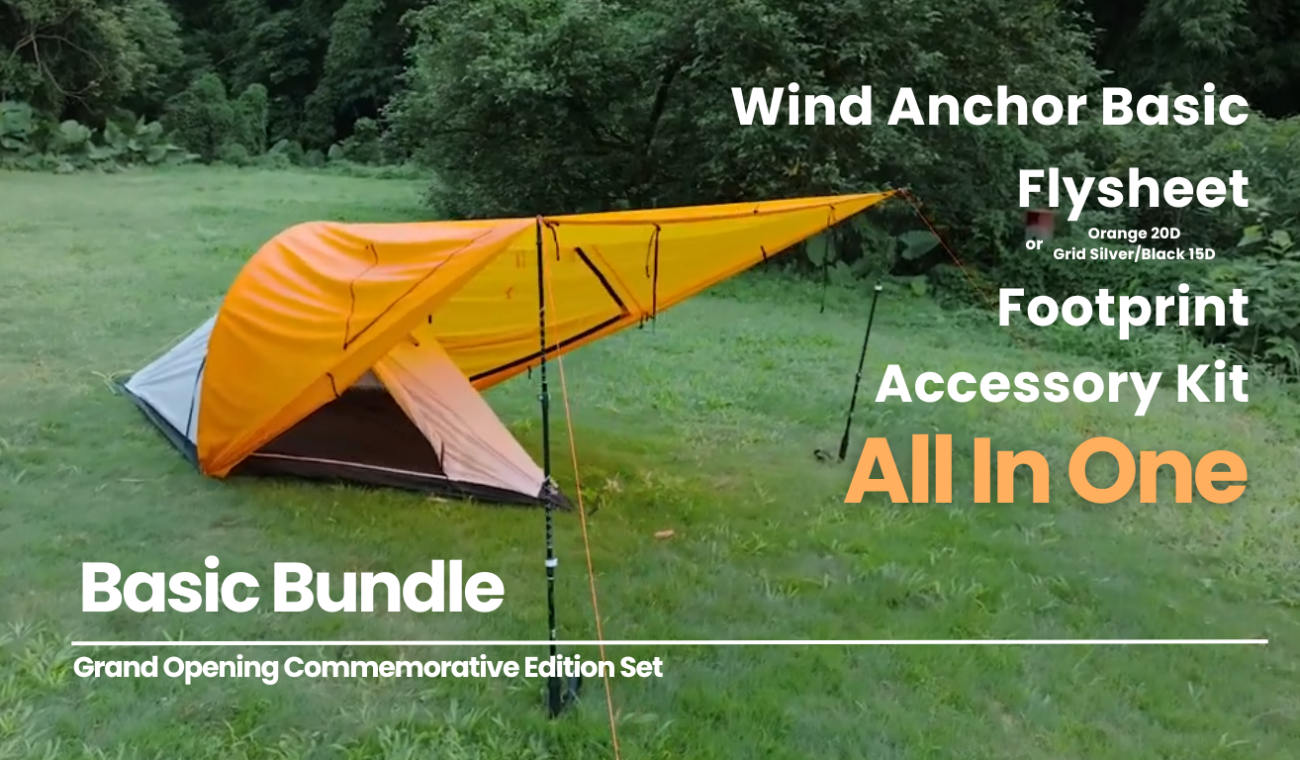
Problem first: wind’ll wreck your night if you ain’t ready
When wind shows up, it don’t ask permission — it tests seams, poles, stakes, and patience. Folks try to save weight and end up in a tent that flaps like laundry. If you want real shelter without hauling a ton, peep the choices for a hiking tent ultralight and know how to set one up right. This piece gonna walk you through the problem, the fixes, and the stuff most people sleep through until it’s too late.
Why tents fail in heavy wind
Too tall, too loose, wrong stakes, or bad angle — that’s the usual. Tall profiles catch gusts. Loose fabric turns poles into snap points. Stakes set shallow pull out. Guylines misaligned let the whole fly balloon and pop seams. Rainflys that don’t clip tight turn into sails. Fixing those basic faults prevents most failures.
How to spot a wind-capable tent — what matters
Look for low profile and multiple pole intersections. Single-pole domes beat tall ridge rigs in steady wind. Pole materials matter: strong alloys and thicker walls resist flex. Check attachment points — extra guy anchors and separate fly clips cut the load on seams. Zippered vestibules that close tight keep pressure off doors. If weight’s the issue, you can still get solid performance from a well-designed hiking tent ultralight, but prioritize structure over tiny gram savings.
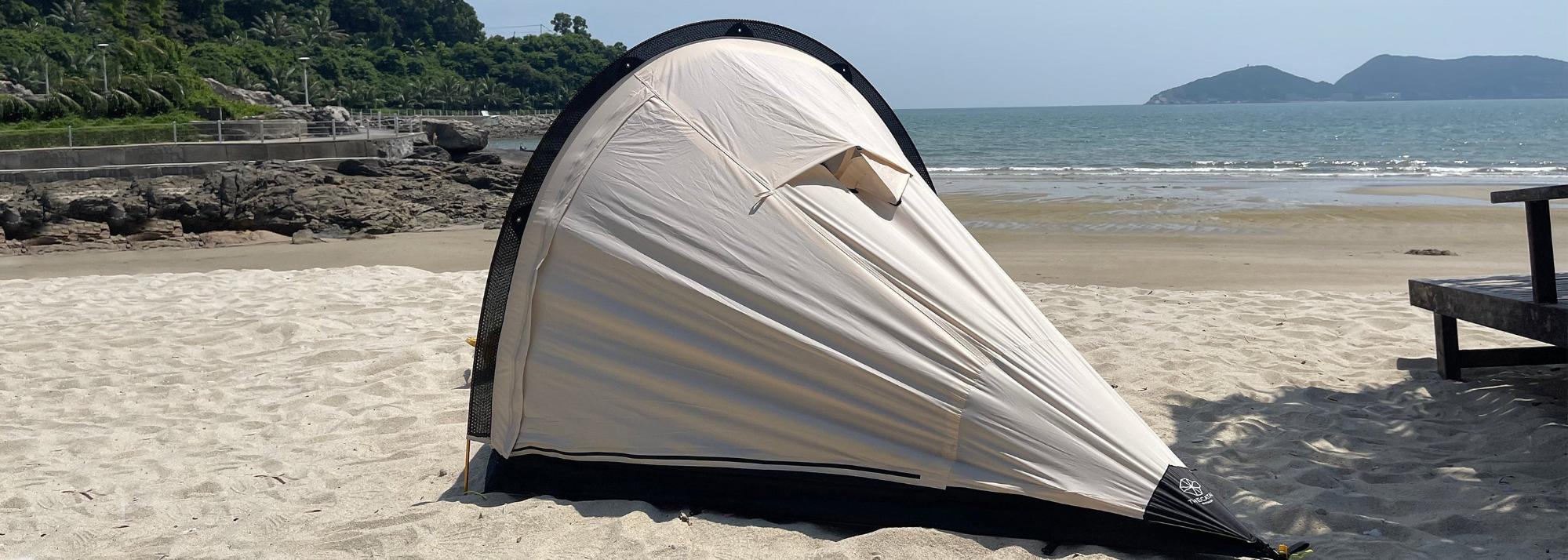 Pitching techniques that stop the drama
Face the lowest side of the tent into prevailing wind. Stake forward points first and tension outward at about 45 degrees. Use long span guy lines — shorter lines pull harder on single points. Drive stakes at a shallow angle away from the tent so they bite when the wind pulls. Tighten the fly at the corners, then at midpoints; retighten after the first gust. Add rocks or deadman anchors if soil’s loose. Small moves here save poles and keep you dry.
Common mistakes people keep making
They pitch on ridgelines, set stakes vertical, skip guylines, and ignore fabric tension. Folks also leave vestibule doors flapping; that’s extra load on zippers. Don’t over-cook with too many attachments that rub seams, and don’t assume freestanding equals windproof. A freestanding tent can still fail without proper anchoring.
Real-world check: testing where wind tells the truth
I’ve watched setups fail and stand on exposed ledges near Mount Washington — that mountain’s weather will show you what works and what don’t. That’s where a real wind test matters, not theoretical specs. For real protection when wind’s the main threat, pick a purpose-built wind proof tent, reinforce stakes, and practice setup before you trust it overnight. Years guiding and swapping rigs with other leaders taught me to value repeatable performance over flashy features; that’s the kind of hands-on know-how that keeps folks safe.
Alternatives and when to choose them
Tarps and bivy sacks save weight but require skill and good site choice. Dome tents give more interior space but can mean more wind surface. If storms are common on your route, go stronger: double-wall tunnel tents with multiple guypoints handle sustained gusts better than light solo shelters. For occasional wind you can reinforce a lightweight tent; for frequent exposure, invest in structure.
Wrap-up: pick smart, pitch smarter, sleep easy
Wind breaks tents for simple reasons you can fix: profile, anchors, tension, and placement. Practice pitching, carry decent stakes, and learn the look of a properly tensioned fly. Do that and you get shelter that works when it counts — the kind of shelter THECATAL values, where design and real-world toughness meet without extra talk.