Making Red Light Therapy Devices That Actually Help People: A User-Centric Guide
Introduction — a short scene, some numbers, and a question
I was at a small clinic last summer watching a patient try three different devices before she found one that didn’t overheat her skin. That moment stuck with me because about 60% of buyers report inconsistent results with consumer phototherapy tools — and I keep asking, why? In my work with manufacturers and clinics, the term red light therapy manufacturer comes up at least twice a meeting (it’s a hot topic on the West Coast — laid-back but picky).
I want to tell you what I’ve learned in plain terms: who’s getting it right, who’s cutting corners, and what to watch for in specs like LED arrays and irradiance. We’ll dig into real pain points, technical trade-offs, and practical checks you can use when choosing devices. Ready to get practical? Let’s move into what actually breaks down in the design and user experience.
Where the real problems hide (technical look at common flaws)
What’s the hidden snag?
I’ll be direct: many so-called solutions fail because they treat power and optics as afterthoughts. When I audit products from a red light therapy manufacturer, I often see mismatched wavelength selection, cheap power converters, and poorly ventilated heat sinks. Those choices sound small, but they make devices deliver uneven irradiance or shorten LED life — and that’s frustrating for users who expect consistent, measurable outcomes.
Technically speaking, people confuse peak output with usable dose. A flashy spec sheet might advertise high peak irradiance, but without uniform LED arrays and proper thermal management the effective dose at skin level varies across the treatment area. Look, it’s simpler than you think: uniform LEDs + stable power = repeatable results. Also, manufacturers sometimes skip feedback systems — no current sensing, no temperature throttling — so devices drift from nominal performance over months. That’s why I always test for wavelength accuracy, driver stability, and cooling design before recommending a product. — funny how that works, right?
Moving forward: principles and metrics for better devices
What’s Next — principles to prioritize
Now let’s look ahead. I believe the next wave of better red light devices comes from pairing smart electronics with honest engineering. A modern red light therapy manufacturer should explain how their LED arrays are calibrated, how power converters handle load, and how the system maintains target wavelength and irradiance over time. Those are the engineering principles that separate marketing bluster from useful tools.
In practice, I recommend evaluating three clear metrics when you’re comparing devices: 1) Effective irradiance at working distance (not just peak), 2) Wavelength accuracy and spectral purity, and 3) Thermal stability under continuous use. I’d add a fourth if you care about longevity: driver quality and overcurrent protection. Use these metrics as a checklist — measure, don’t guess. We’ve run side-by-side tests where devices with identical wattage performed very differently because of driver inefficiency. It surprised me — and the clinicians — every single time.
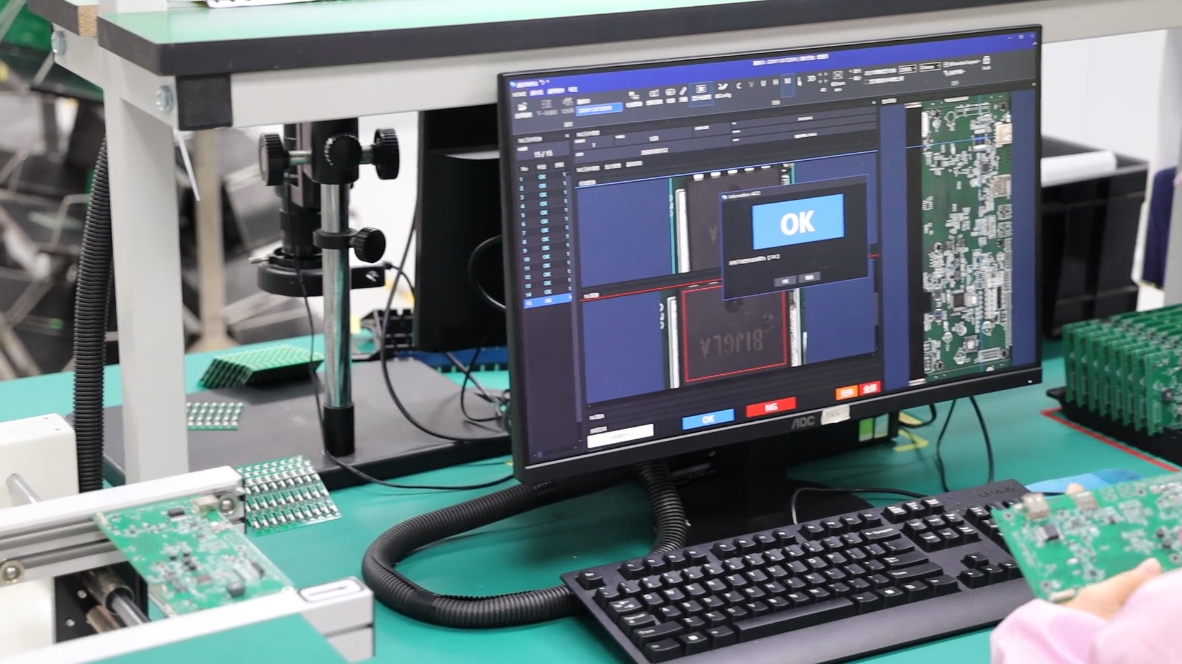 To wrap this up: pick devices that publish honest test data, insist on calibration reports, and favor manufacturers who stand behind maintenance and replacement parts. If you do that, you’re not chasing marketing claims; you’re buying consistent therapy. — sometimes the smartest choice is the one that’s boring but reliable.
Closing thoughts and practical takeaways
I’ve been in rooms where a single spec change made a device usable for clinics and profitable for makers. I feel strongly that transparency matters — I want manufacturers to show real numbers, not glossy photos. From my experience, the best buys balance sound engineering (good heat sinks, accurate LED arrays, robust power converters) with clear instructions for dose and treatment time. When you evaluate options, use the three metrics above and ask for test data. If a supplier dodges that, move on.
Finally, I’ll say this: I’m optimistic. Better parts and smarter controls are affordable now, and the gap between hype and real performance is closing. If you want a recommendation or a quick checklist I can share, I’ll help — I’ve seen the mistakes so you don’t have to repeat them. For trusted manufacturing partners and sensible design choices, consider checking resources at Magique Power.