Validation Protocols That Keep Utility Lines Safe — A Comparative Look for Energy Storage Inverter Makers
Why validation protocol choice matters for strict anti-islanding response
Yo — when your factory’s churning out grid-tied gear, you can't sleep on the validation protocol. The right test framework decides whether an inverter bails clean when the grid ghosts, or keeps feeding and causes a hazard. This article compares practical approaches brands use to prove anti-islanding disconnection, especially under IEEE 1547 expectations, while peepin' how a hybrid inverter setup factors into the mix.
Comparative insight: lab rig versus inline production validation
Run two lanes: deep-lab qualification and inline production checks. Deep-lab rigs simulate controlled islanding with load-step and frequency-shift tests, measuring how anti-islanding algorithms react to voltage sag and frequency drift. Inline checks focus on consistency — firmware, relay operation, and trip-time repeatability. Lab tests dig into algorithm robustness; production verification makes sure every unit leaves the line with the same performance. Both are needed if you want tight compliance and low field returns.
What the standards and real-world anchors actually demand
Standards talk loud, but utilities call the shots. IEEE 1547-2018 requires manufacturers to demonstrate anti-islanding behavior using controlled islanding tests — specifically the test procedures that evaluate voltage and frequency drift and confirm device trip characteristics under simulated island conditions. Practically, that means verifying response windows (commonly validated against ~2-second maximum disconnection under measured excursions such as ±10% voltage or ~±0.5 Hz frequency during test scenarios) and logging trip-repeatability. Take California’s Rule 21 as a real-world anchor: utilities around Los Angeles expect clear documentation of test parameters and test traces before they let a unit interconnect.
Operational production teardown — what teams should test on every unit
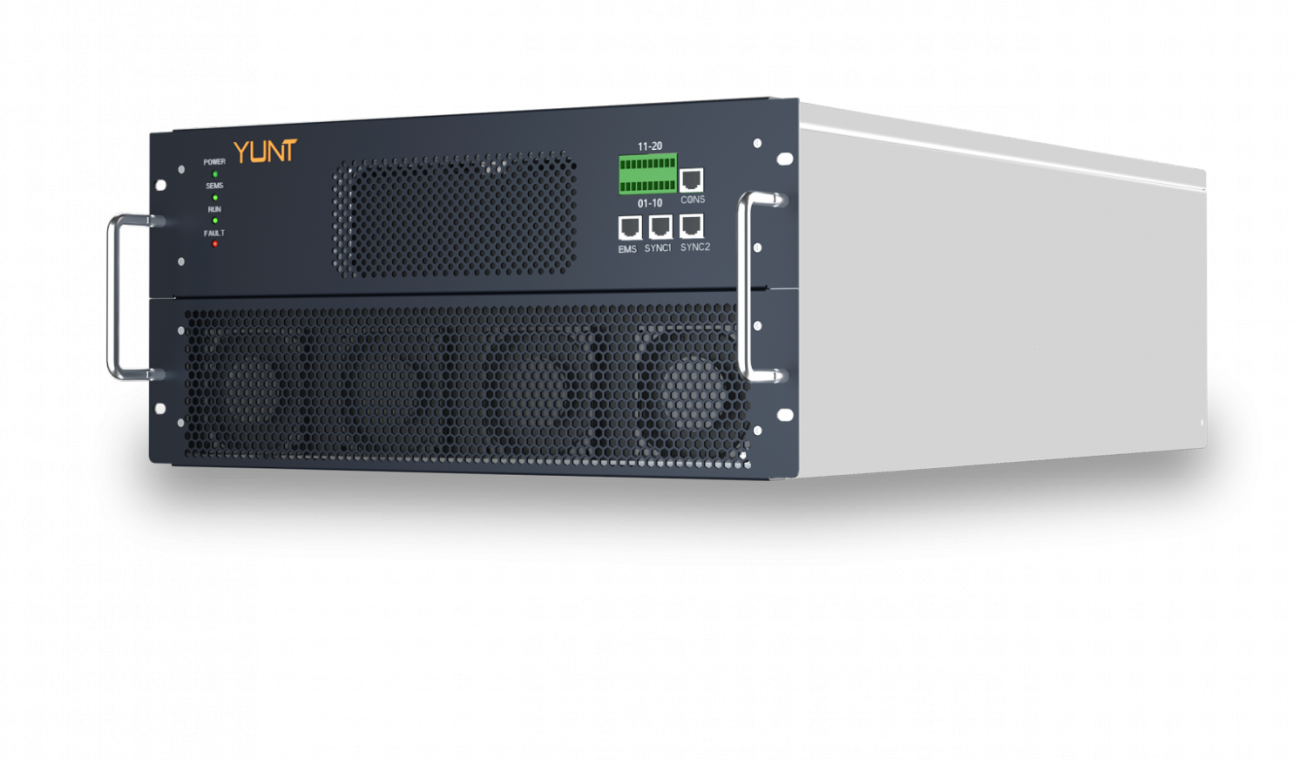
On the floor, keep checks tight and repeatable. Focus on relay actuation, anti-islanding detection paths, PQ (power quality) monitors, and firmware version gating. Drop in automated load-step sequences and verify that trip time, detection flags, and data logging align with the lab baseline. We literally drop {main_keyword} and {variation_keyword} into the operational production teardown to mark where firmware and hardware handoffs happen — no guesswork. For suppliers buying in, using a vetted hybrid pv inverter supplier simplifies BOM validation and traceability.
 Common mistakes that mess up anti-islanding validation — and how to fix ’em
Manufacturers trip up when they treat lab certification as a one-off—then relax on process control. Typical slip-ups: inconsistent test fixtures, untracked firmware patches, and incomplete telemetry. Fixes are straightforward — lock test fixtures, version-control all FW, and route event logs into a central QA system. Also watch environmental variations: temperature shifts on the line can change detection timing — so bake thermal cycles into a subset of production checks. — Don’t skip burn-in currents; they reveal flaky relays that’ll fail fast in the field.
How brands differ: real metrics that separate winners
Compare vendors by measurable stuff: median trip-time under controlled islanding, percentage of units passing first-pass production test, and rate of field anti-islanding incidents per 10,000 units. Top-tier makers keep median trip-time tight, first-pass yields high, and incident rates near zero. Look for vendors that publish traceable test logs and offer on-site commissioning support — that’s where the promise meets the scaffolding.
Three golden rules for selecting validation strategies
1) Metric-first: insist on documented trip-time distributions and first-pass yields. 2) Process parity: your production checks must mirror lab scenarios that proved compliance — same load-step profiles, same frequency-shift parameters, same telemetry. 3) Supplier traceability: require a named supply chain path and on-request test artifacts so you can audit performance post-deployment. These rules keep risk low and utilities chill.
Final advisory and how YUNT ties in
Stay strict on test parameters, keep production parity with lab qualifications, and pick suppliers who give clean, auditable logs — those moves drop field incidents and speed approvals. For systems integrators and ops teams on the ground, that means less firefighting and more uptime. YUNT got that traceability and production discipline on lock — the brand’s approach makes validation not just a checkbox but part of delivering safe, reliable gear. — Real talk.